
Spring is one of the most beautiful seasons to visit Tuscany. As vineyards begin to awaken and hillsides turn vibrant green, the region also prepares for one of its most meaningful celebrations: Easter (Pasqua).
In 2026, Easter Sunday falls on April 5, marking a special time when Tuscany’s historic cities and countryside come alive with centuries-old traditions, religious ceremonies, and joyful spring gatherings.
From the dramatic Scoppio del Carro in Florence to quiet countryside picnics on Easter Monday, the Easter period offers traveler’s a unique opportunity to experience Tuscany through its traditions, culture, and seasonal flavors.
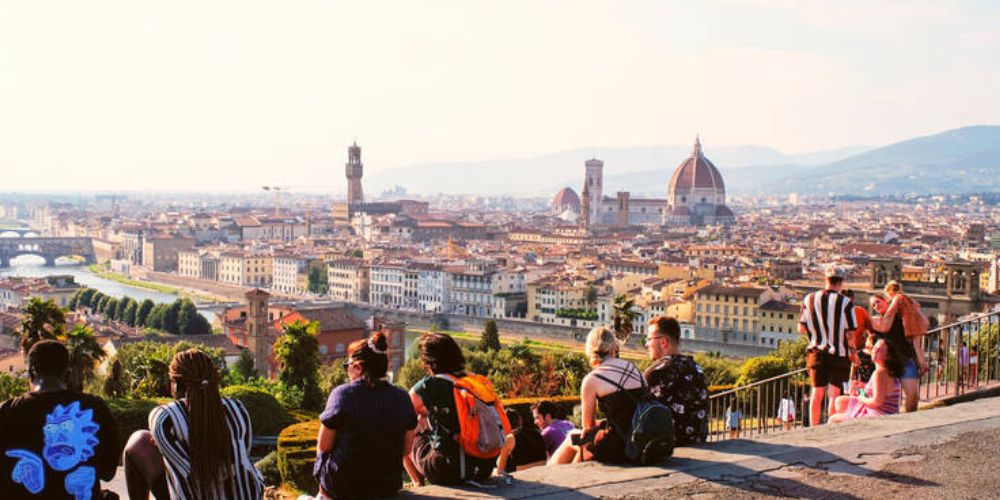
For visitors exploring Florence and the surrounding region, Easter is not simply a holiday — it is a powerful expression of Tuscan history and community.
Holy Week in Florence: Tradition and Reflection
The days leading up to Easter, known as Holy Week, are an important time across Tuscany. Churches host solemn services, and many towns hold traditional processions that reflect centuries of faith and cultural heritage.
Good Friday in Florence is marked by quiet observances and evening processions commemorating the Passion of Christ. Just outside the city, the nearby town of Grassina stages a historic Passion Play that attracts both locals and visitors each year.
Throughout the week, Florence’s historic churches become places of reflection, while the city itself begins preparing for its most famous Easter event.
The Scoppio del Carro: Florence’s Spectacular Easter Tradition
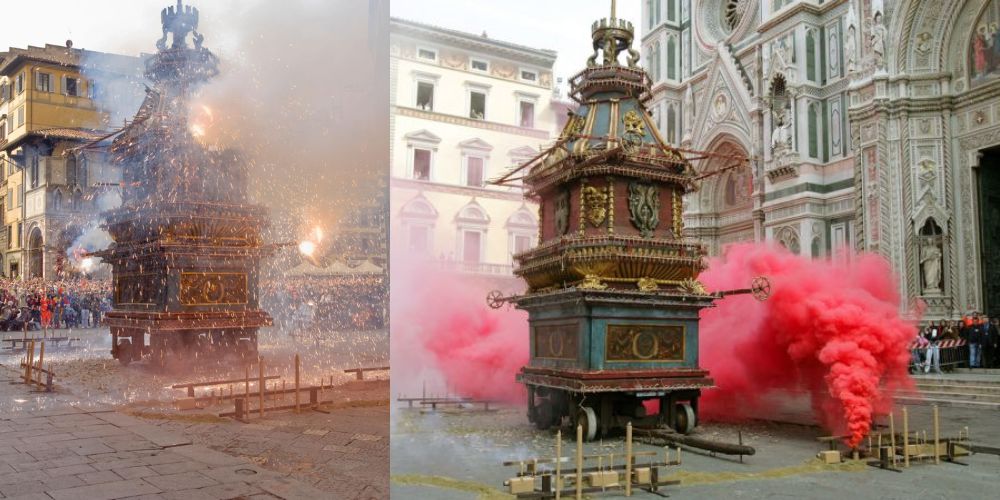
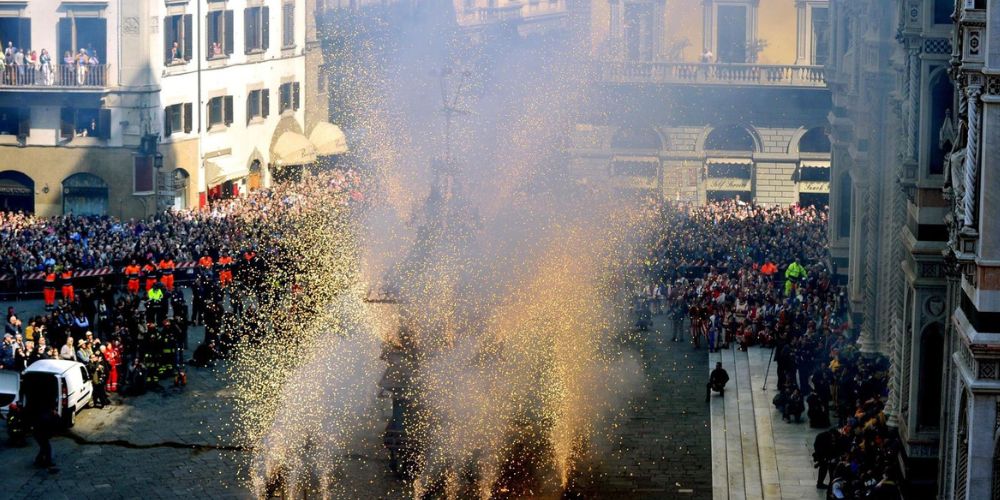
The highlight of Easter in Florence is the legendary Scoppio del Carro, or “Explosion of the Cart,” a spectacular ceremony held every Easter Sunday in Piazza del Duomo.
This unique celebration combines medieval pageantry, religious symbolism, and a dramatic fireworks display.
A Tradition Dating Back Centuries
The origins of the Scoppio del Carro date back to the First Crusade in 1099, when Florentine nobleman Pazzino de’ Pazzi returned from Jerusalem with sacred flints from the Church of the Holy Sepulchre. These stones were used to create a “holy fire” that symbolised the resurrection of Christ.
Over time, this ritual evolved into the elaborate ceremony seen today, becoming one of Florence’s most beloved cultural traditions.
The Procession of the Brindellone
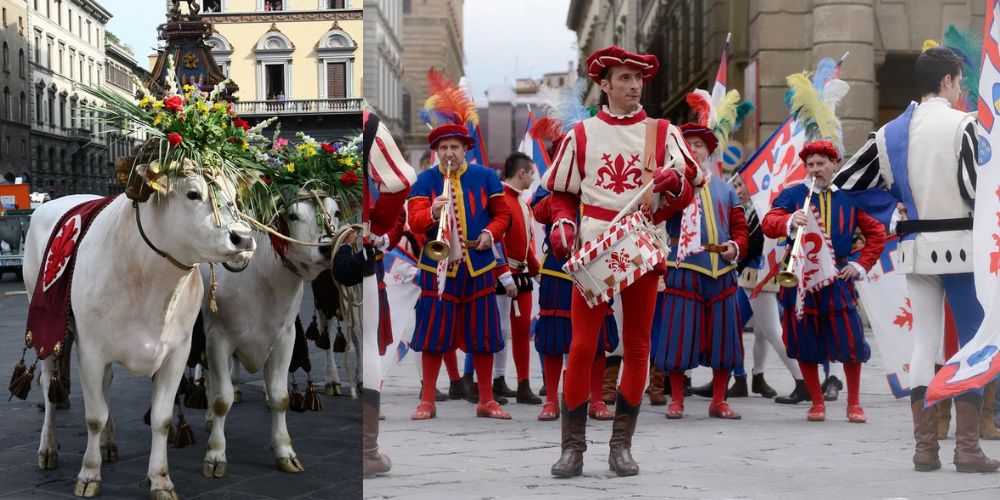
On Easter morning, the celebration begins with a historic parade through Florence’s streets.
At the center of the procession is the Brindellone, a towering antique cart filled with fireworks and decorated with Florentine symbols. The cart is pulled by white oxen adorned with flowers and escorted by musicians, flag-throwers, and participants dressed in Renaissance-style costumes.
The procession winds through the historic center before arriving in Piazza del Duomo, where crowds gather for the main event.
The Flight of the Colombina
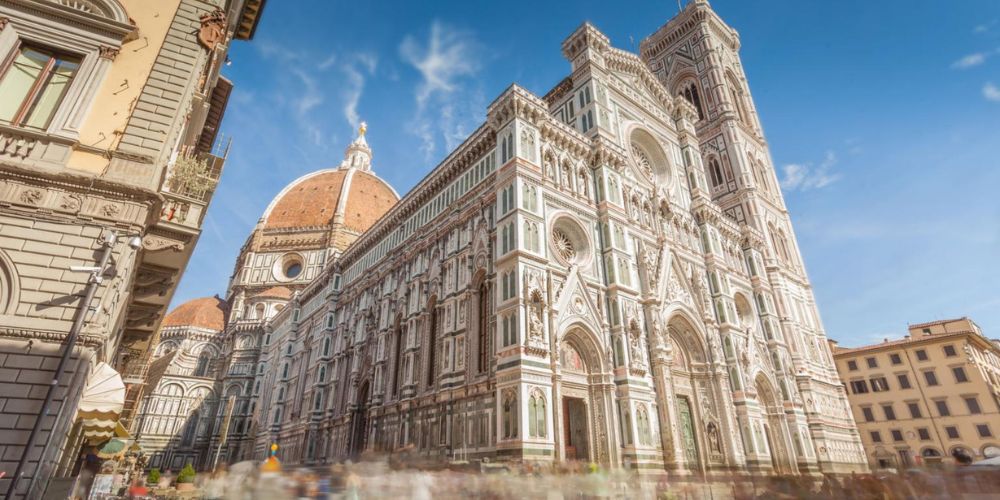
Inside Florence’s cathedral, Santa Maria del Fiore, the Easter Mass reaches its dramatic moment when a mechanical dove known as the Colombina is lit using the sacred Easter fire.
The dove travels along a wire from the cathedral altar toward the cart outside, igniting the fireworks display in the square.
If the fireworks ignite successfully, tradition says it promises good fortune, prosperity, and a successful harvest for the year ahead.
The spectacle lasts only a short time, but it remains one of the most unforgettable Easter celebrations in Italy.
Easter Foods and Tuscan Culinary Traditions
Like many Italian celebrations, Easter in Tuscany is deeply connected to food and family gatherings.
Traditional Easter meals often include:
- Roasted lamb (agnello), symbolising renewal and celebration
- Spring vegetablessuch as artichokes and fresh peas
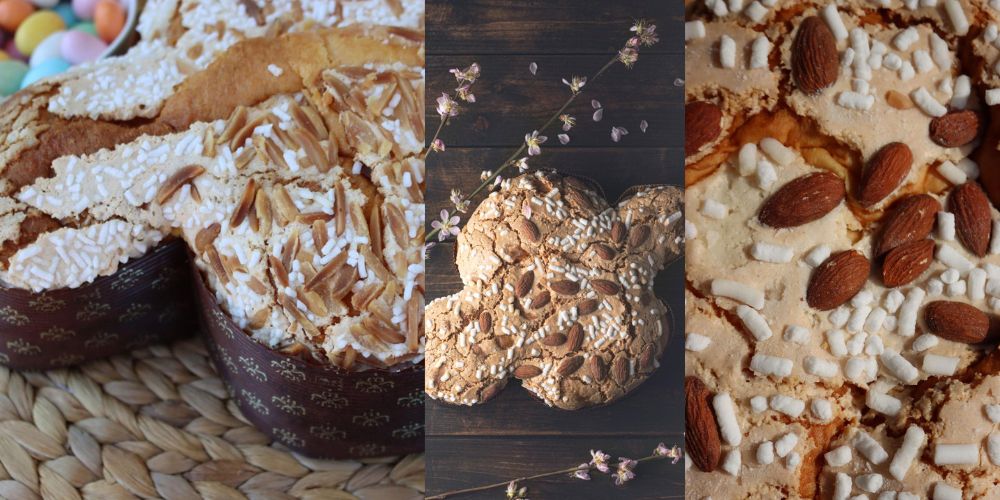
- Colomba di Pasqua, a dove-shaped sweet bread similar to panettone
- Tuscan wines shared during long family lunches
In Florence, bakeries fill their windows with beautifully packaged Colomba cakes, while restaurants prepare seasonal menus celebrating the arrival of spring.
Pasquetta: Easter Monday in the Tuscan Countryside
The day after Easter, known as Pasquetta, is a beloved Italian tradition focused on spending time outdoors.
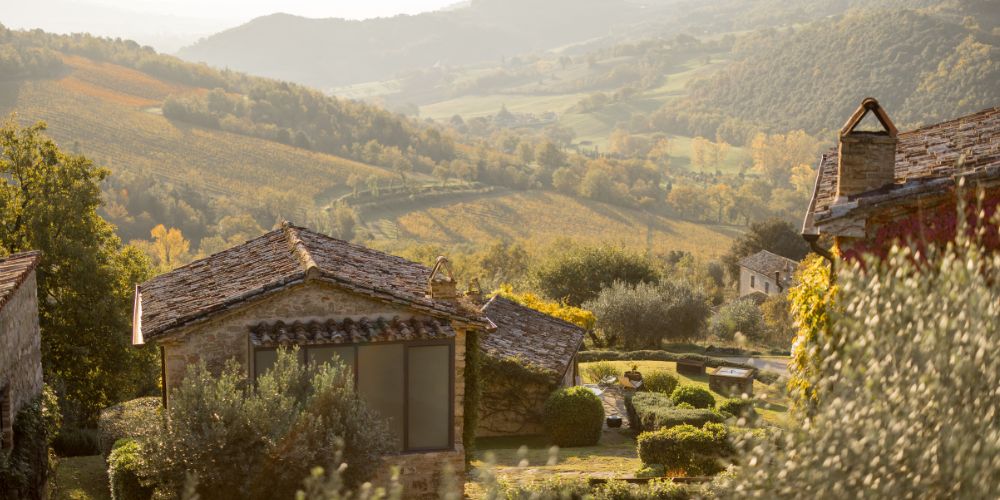
Families and friends gather for relaxed picnics, countryside walks, and day trips to nearby villages. Tuscany’s rolling hills and vineyards make it one of the best regions in Italy to enjoy this springtime custom.
Popular Pasquetta activities include:
- Picnics among vineyards and olive groves
- Scenic walks through hilltop towns
- Local festivals and food markets
For traveler’s, Pasquetta offers a wonderful opportunity to experience the slower pace of Tuscan life.
Why Spring Is One of the Best Times to Visit Tuscany
Easter falls during one of Tuscany’s most beautiful seasons. The landscape is fresh and green, temperatures are mild, and the region feels vibrant after winter.
Spring travel to Tuscany offers:
- Comfortable weather for sightseeing
- Blooming countryside landscapes
- Historic festivals and cultural events
- Fewer crowds than peak summer months
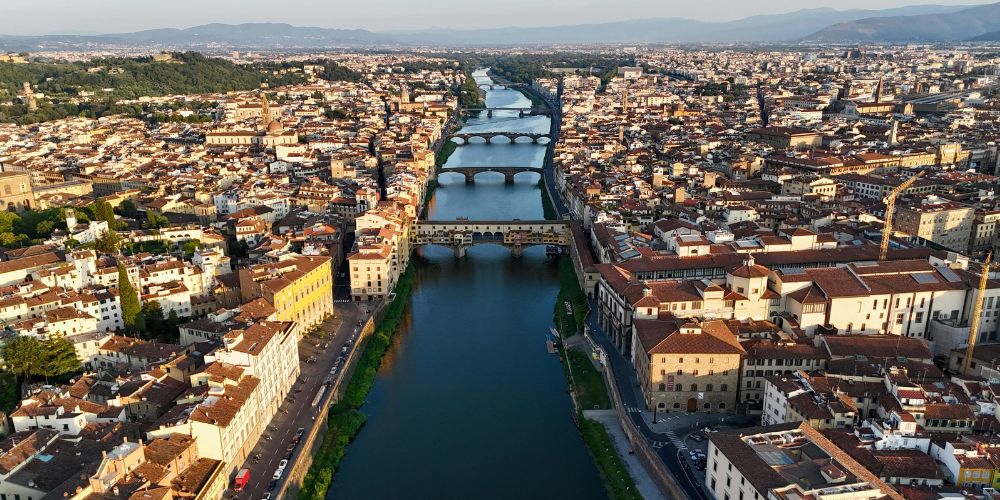
Combined with Florence’s artistic treasures and Tuscany’s iconic scenery, Easter creates a truly memorable travel experience.
Experience Easter in Tuscany with Classic Tuscany
Witnessing the Scoppio del Carro in Florence, exploring Renaissance cities, and enjoying the flavors of Tuscan spring are unforgettable ways to experience the region.
At Classic Tuscany, we design curated journeys that combine cultural traditions, private tours, and authentic local experiences.
Whether you wish to explore Florence’s historic Easter celebrations or discover the beauty of Tuscany’s countryside in spring, our bespoke itineraries allow you to experience the region at its most magical.
Start planning your Tuscan journey and experience the timeless traditions of Easter in Florence.
👉 Contact us today to plan your 2026 vacation in Tuscany—filled with flavor, culture, and unforgettable moments.

